As a civil society collective dedicated to the safeguarding and promotion of Morocco’s cultural heritage, we wish to draw attention to recent developments concerning the terminology used in certain elements inscribed on UNESCO’s Representative List of the Intangible Cultural Heritage of Humanity. The measures undertaken to rename two existing entries through the retroactive introduction of the term “caftan” raise questions regarding their objectives, timing, and possible implications for the clarity and integrity of heritage documentation.
While we fully recognize the importance of linguistic precision and the dynamic character of living heritage, any modification affecting the designation of an inscribed element must be approached with caution. The preservation of coherence, transparency, and respect for the communities concerned is essential to ensuring the credibility of UNESCO’s processes and the broader mission of the 2003 Convention.
In light of these principles, we would like to recall several factual elements that merit consideration:
1. The 2012 Algerian Nomination File: The Bridal Costume of Tlemcen
In this file, the term “caftan” refers to a short jacket integrated into a wider ensemble. It is not described as a dress nor as the central component of the costume. The recent initiative to introduce the term into the title, more than a decade after inscription, raises questions about the rationale for such a change and its potential impact on the element’s established characterization.
2. The 2024 Algerian Nomination File: The Gandoura and Melahfa of the East
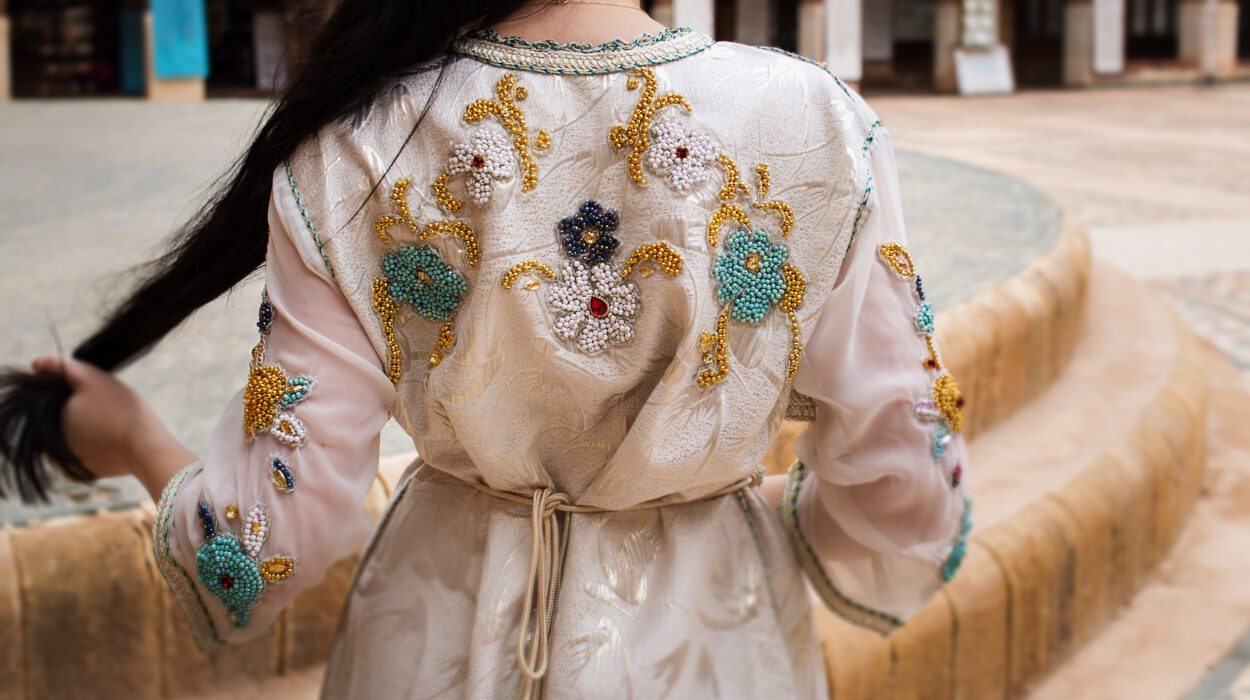
This element focuses on two specific garments: the gandoura and the melahfa. The official documentation and iconography published at the time of inscription reflect this scope. The subsequent use of a photograph depicting a Moroccan Ntaâ caftan to illustrate embroidery techniques appears to fall outside the ethnographic context of the element. This issue was noted during the 19th session of the Intergovernmental Committee for the Safeguarding of Intangible Cultural Heritage.
3. Civil Society Engagement
Public interest in the issue is significant. An online petition expressing concern regarding retrospective terminological modifications has gathered nearly 35,000 signatures in fewer than ten days, reflecting strong engagement from communities committed to the safeguarding of Moroccan heritage.
4. The 2025 Moroccan Nomination File: The Moroccan Caftan
The Kingdom of Morocco has submitted the nomination file “The Moroccan Caftan: Art, Traditions and Know-how,” prepared through extensive collaboration between researchers, heritage institutions, artisans, and bearer communities. The file is supported by established historiographical work, rigorous methodology, and comprehensive documentation, reflecting the long-standing cultural, artistic, and social significance of the Moroccan caftan.
5. Independent Analyses and International Observations
Several independent studies have drawn attention to patterns of reinterpretation and strategic communication affecting cultural heritage narratives in the region. The Choiseul Institute’s report Cultural Strategies of States highlights coordinated digital activities aimed at influencing public perceptions regarding the origins of the Moroccan caftan. Similar observations are found in the L’Express article of October 19, “When Morocco and Algeria Export Their Cultural Rivalry,” which describes symbolic initiatives capable of generating ambiguity around certain heritage elements within an already sensitive geopolitical context.
6. An Economic Context Worth Noting
It is also relevant to recall that Algeria is currently the primary importer of Moroccan traditional garments, as well as of the artisanal components used in their production (sfifa, ʿaqad, dfira, tarz). This economic interdependence underscores the recognized expertise and production networks long established in Morocco and provides additional contextual information when assessing discussions concerning the origins, terminology, and associated practices of these garments.
We respectfully bring these elements to the attention of all stakeholders committed to the safeguarding of intangible cultural heritage. We believe that open dialogue, factual clarity, and adherence to the principles of the 2003 Convention remain essential to ensuring that heritage is preserved in a manner that reflects the knowledge, history, and values of the communities who sustain it.
—
Signatories:
- « My Morrocan Heritage »
- « L’Association des artisans d’art français »
- « Cultures du Maroc »
- « Empreintes et influences »